Structural Delirium
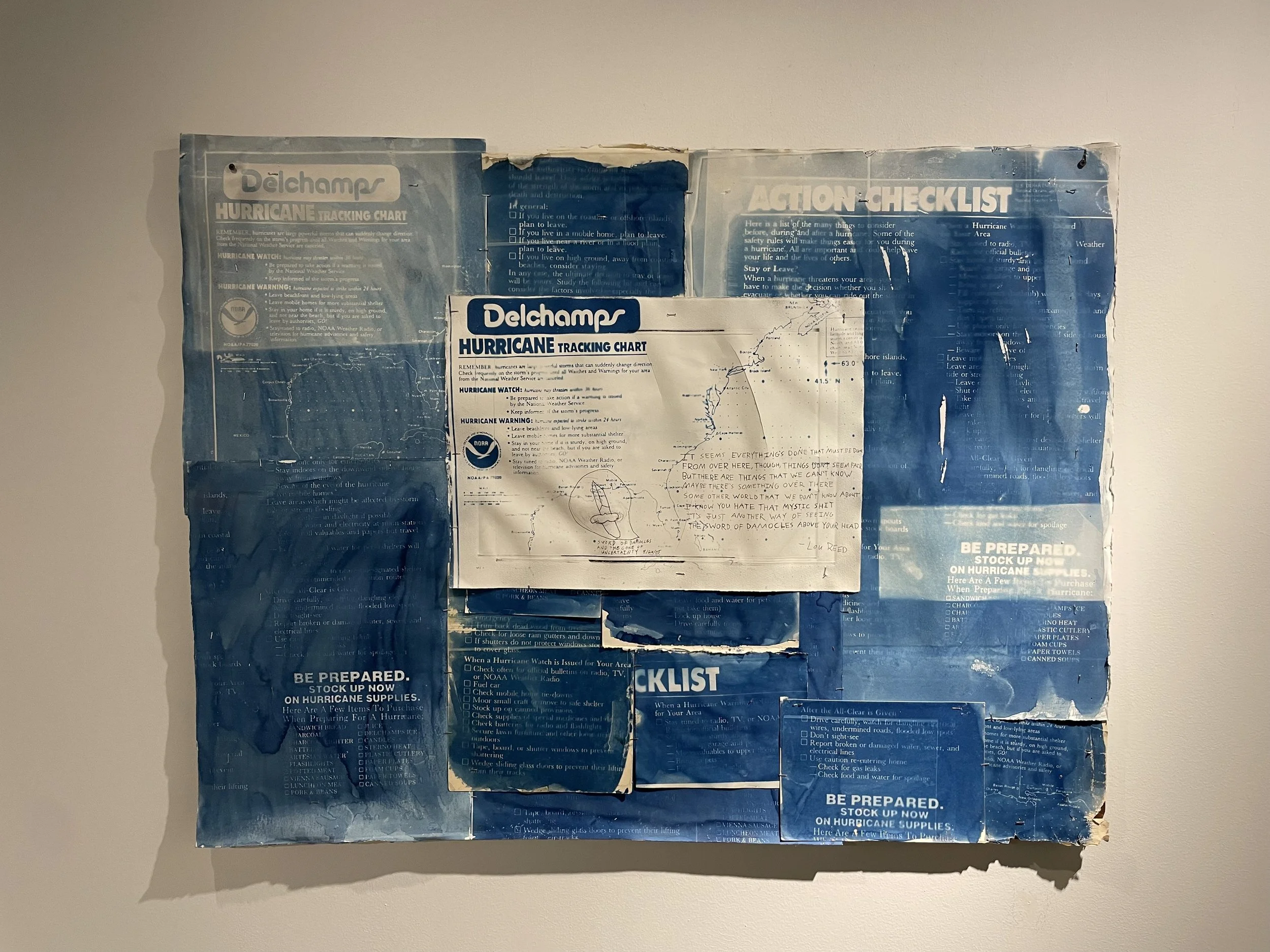
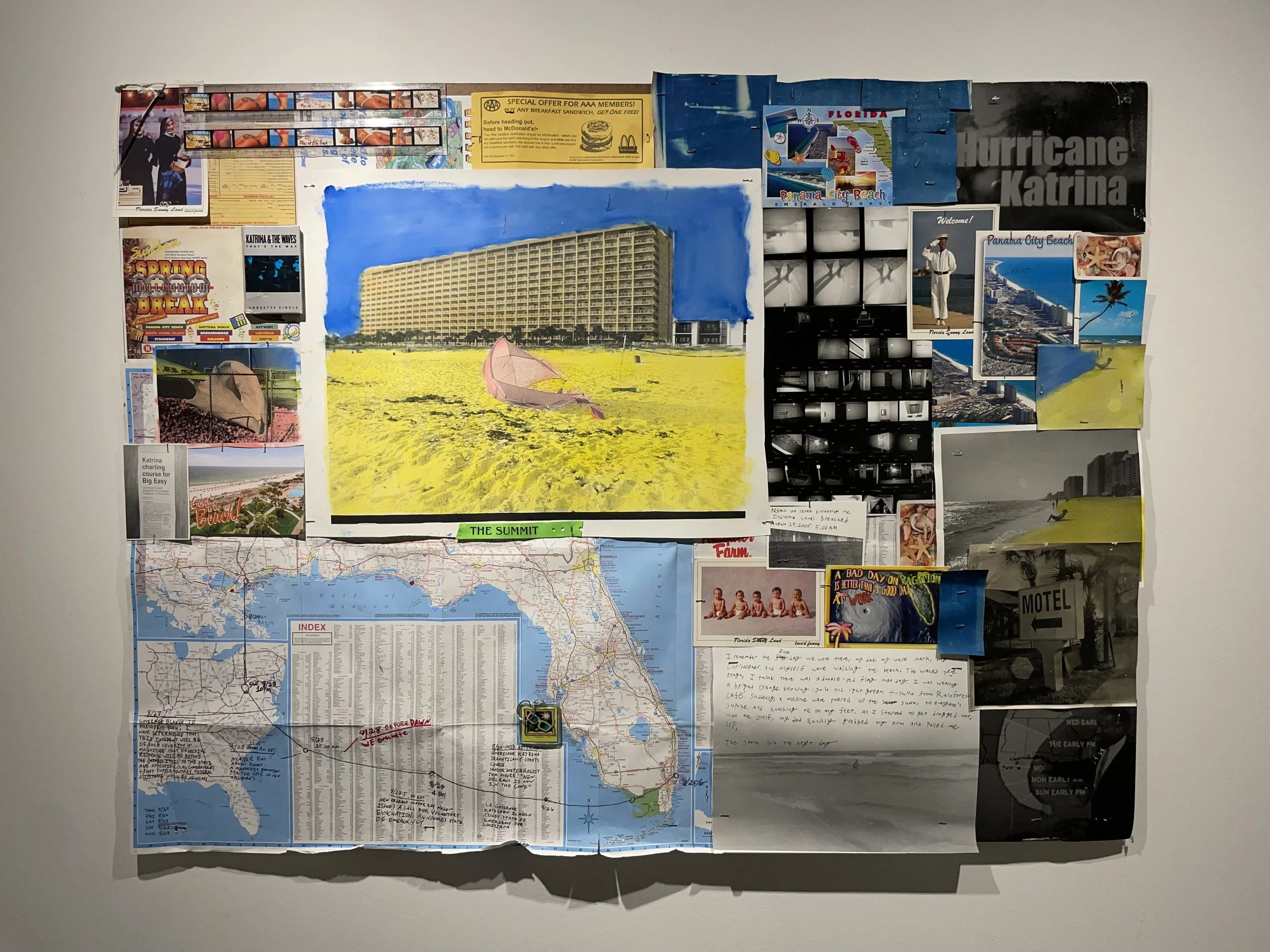
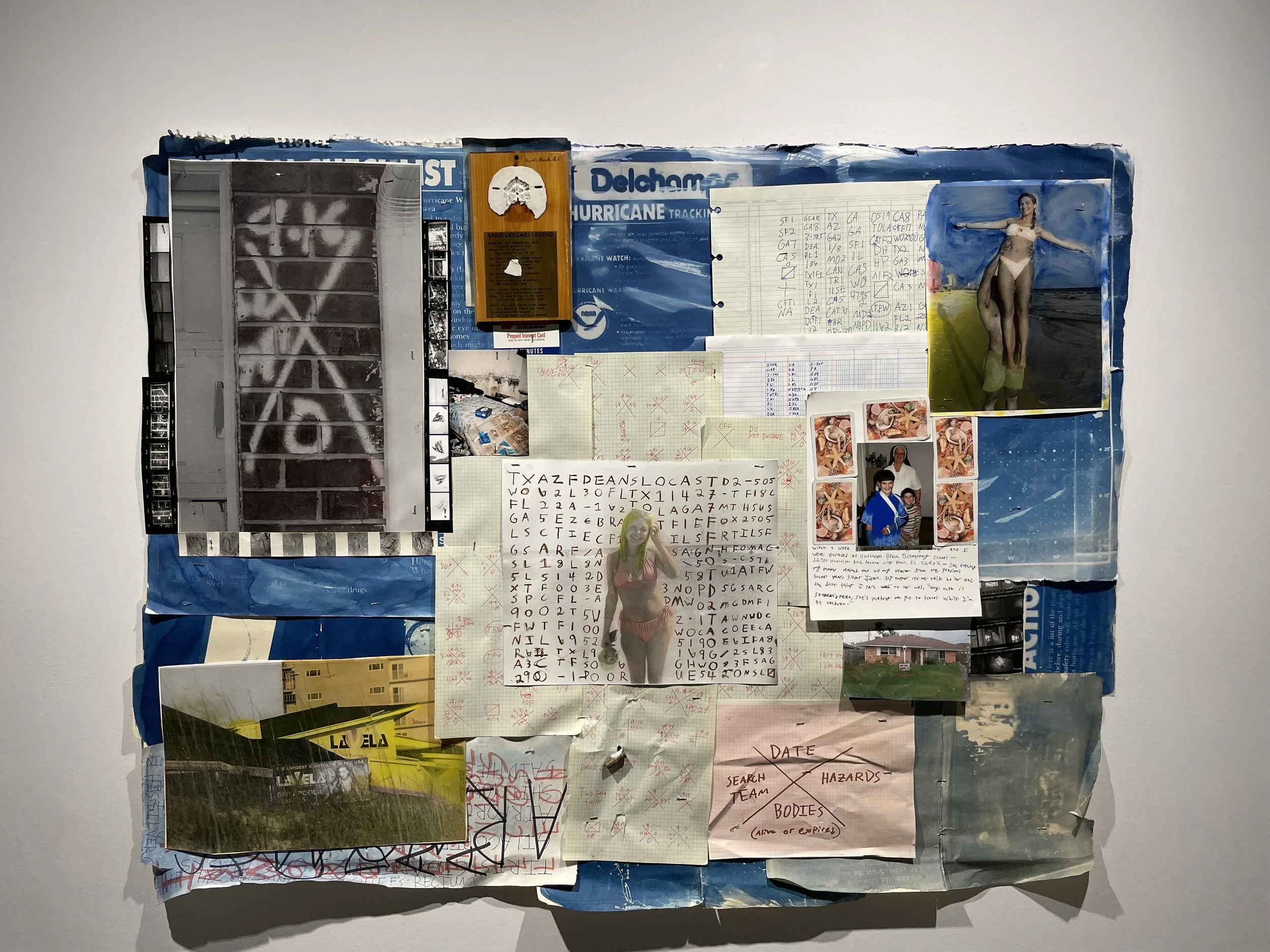
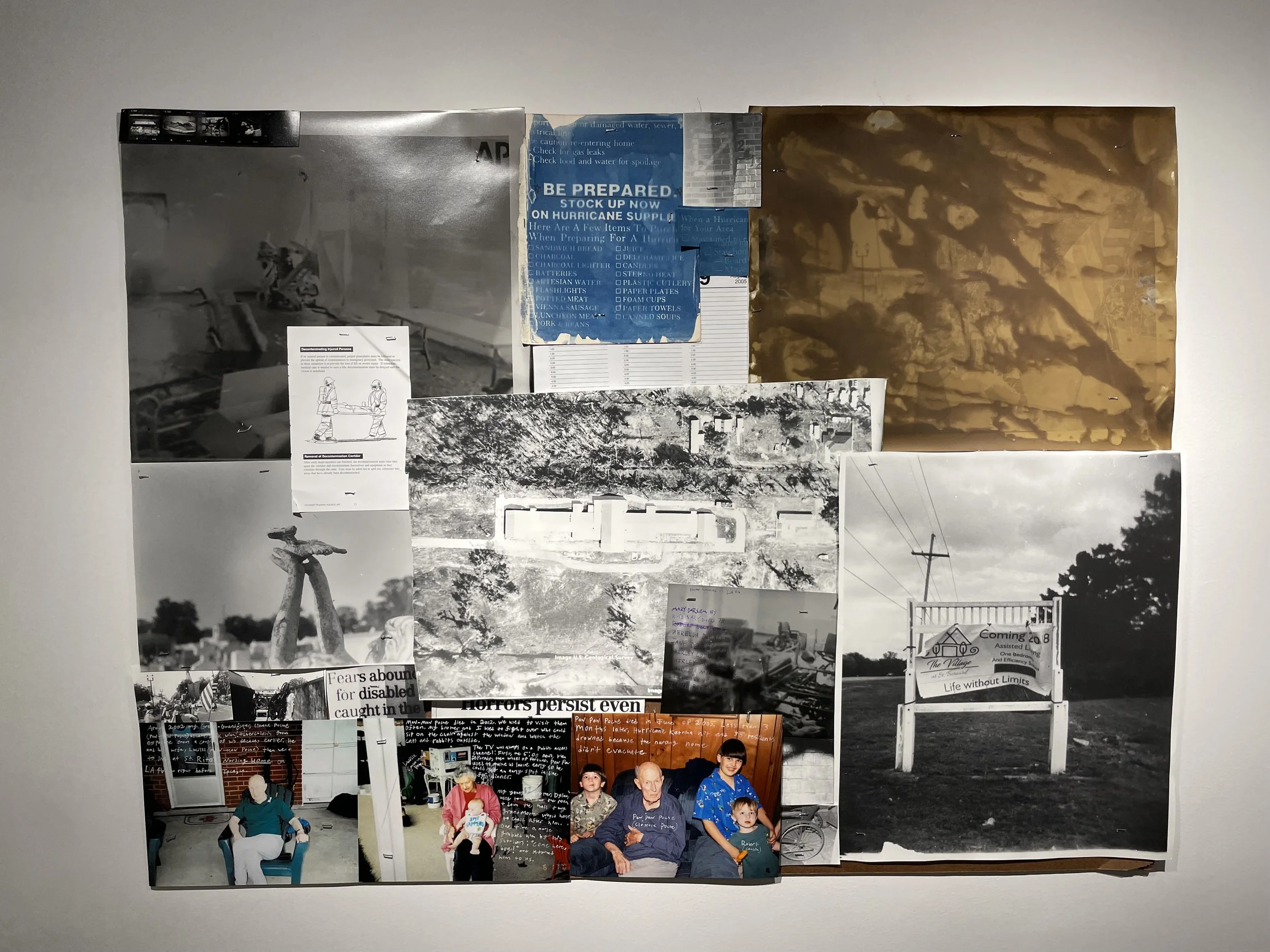
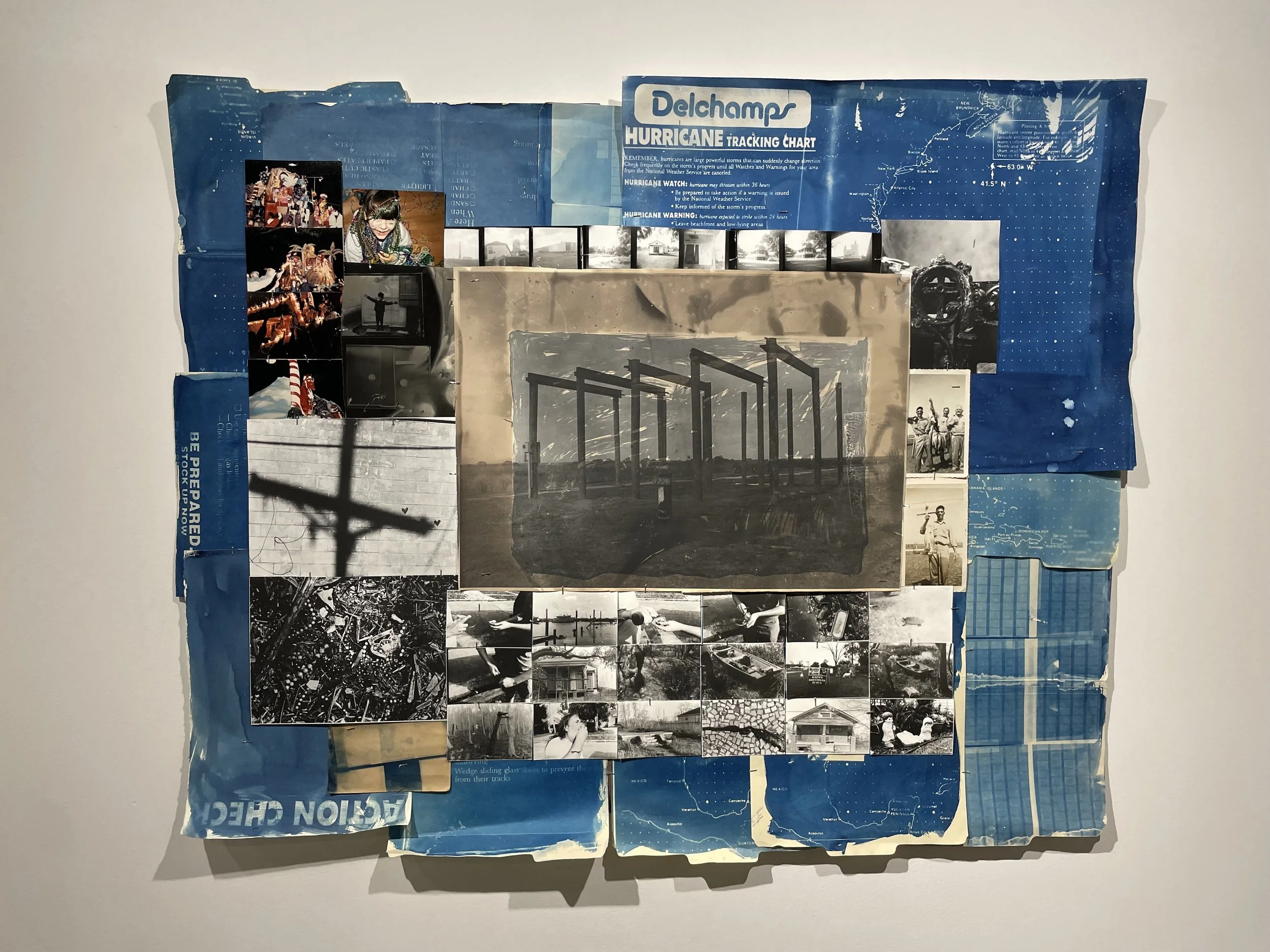
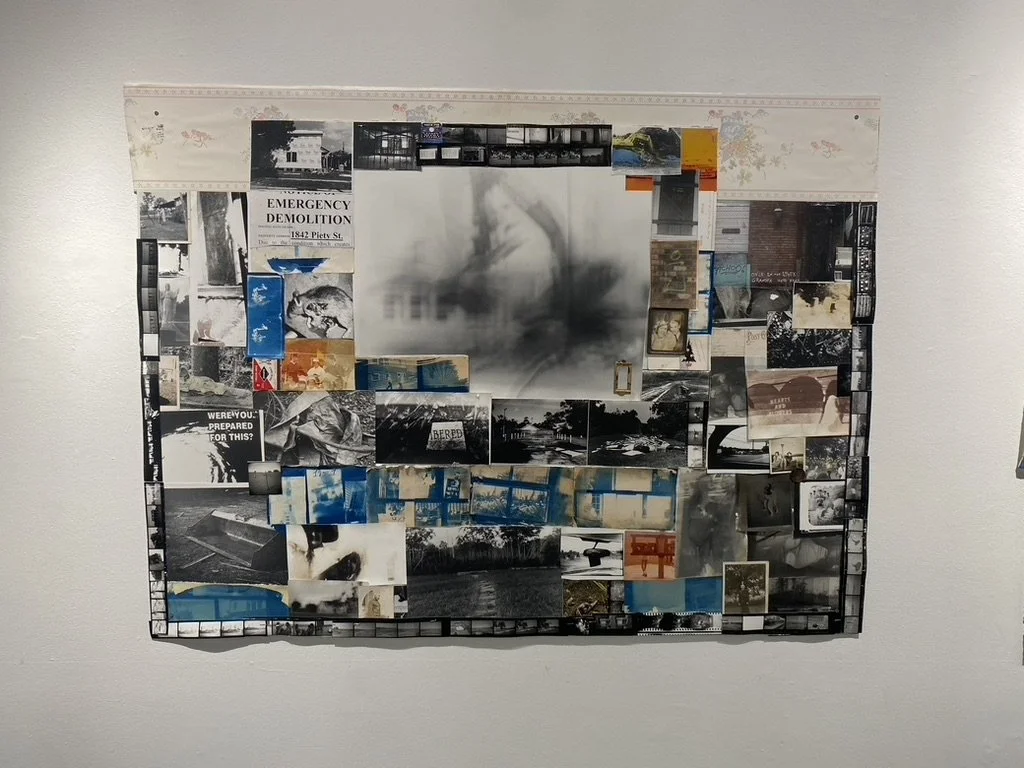
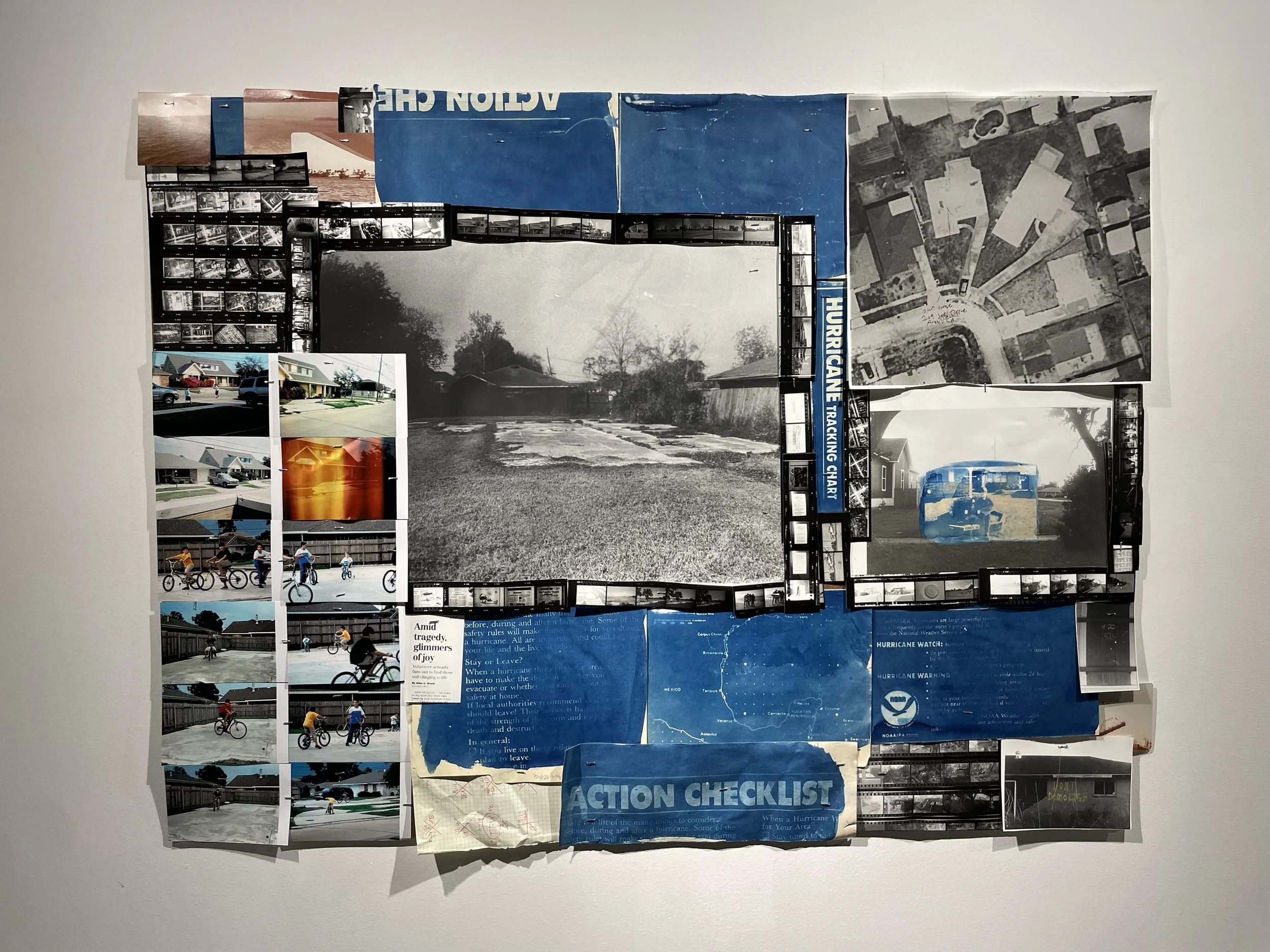
This thesis exhibition is a reflection of my growing up in a post-Katrina New Orleans. I grew up in St. Bernard Parish, in the unincorporated town of Arabi, which bordered the 9th Ward of New Orleans. On August 29, 2005, Hurricane Katrina struck the Greater New Orleans Area. The day before, we had fled to Panama City Beach, Florida, as many of our neighbors had, anticipating an extended weekend. Hurricane Katrina submerged our house and entire neighborhood under approximately 20 feet of water from the top of the roof. With nothing to return to, we stayed in Panama City Beach for four months.
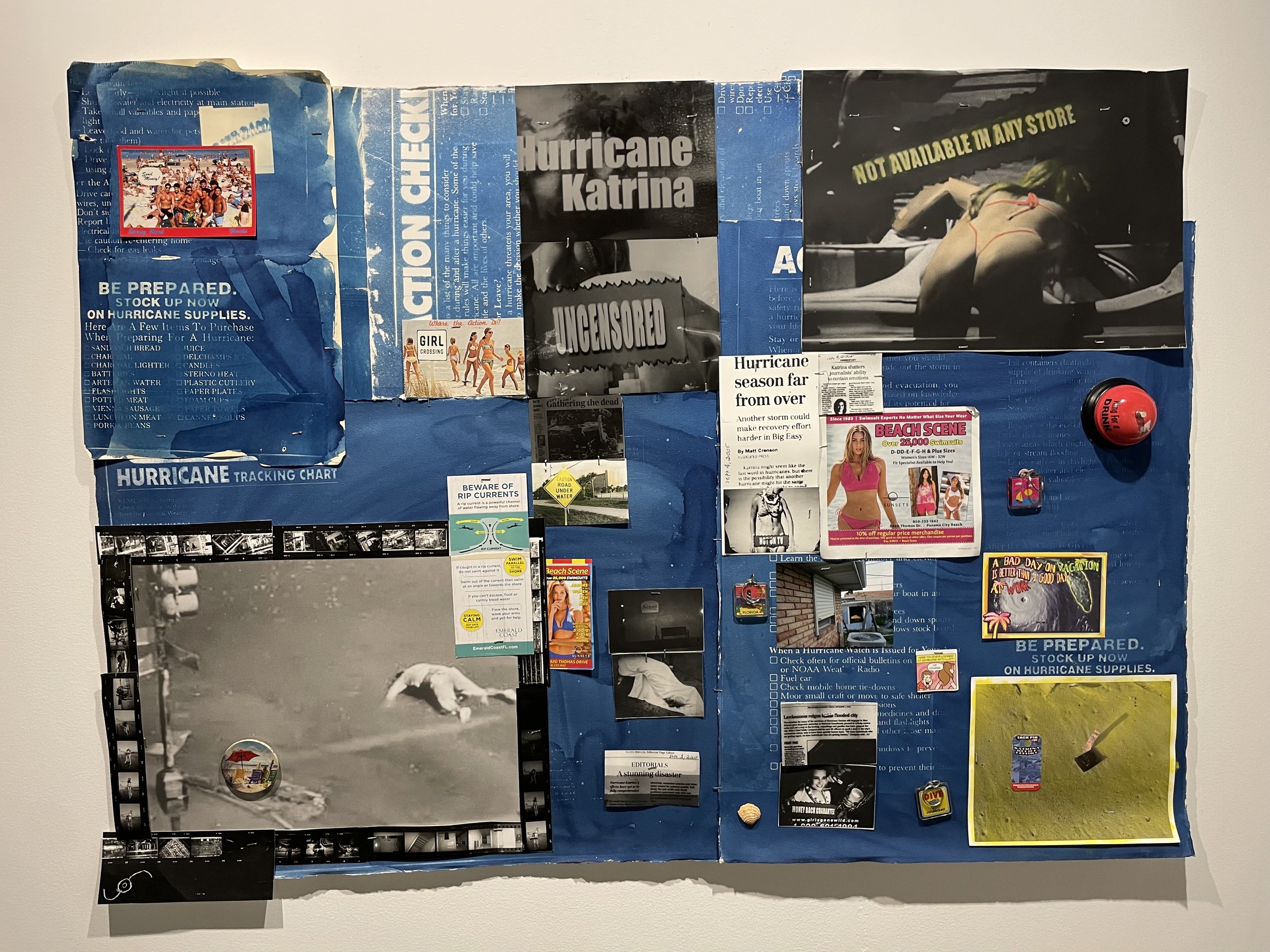
Panama City Beach was, at the time, the unofficial spring break capital of the United States. Neighboring our residence was the now-shuttered Club LaVela. In the era of reality television, LaVela, which billed itself as the largest night club in America, was the crown jewel of spring break culture along the Emerald Coast. Both MTV Spring Break and Girls Gone Wild regularly filmed out of the club neighboring a residency of hundreds of Katrina refugees.
This thesis presents a dichotomy between the perceptions of paradise during times of intense disaster. Particularly influential to this thesis were the controversial 1973 novel Crash by J G Ballard and the subsequent 1996 film by David Cronenberg starring James Spader and Holly Hunter. In both adaptations, Ballard and Cronenberg find sexual ecstasy in the most abhorrent of situations.
After Katrina, entire neighborhoods were erased. First the structure of a house, followed by the removal of the slab, driveway, driveway apron, and sidewalk. The title, Structural Delirium, refers to the confusion when walking through a former neighborhood and trying to retrace the geography of a location by memory.